Knee surgery is a life-changing operation for most patients, providing relief from pain and restoring proper function. But the surgery is just the beginning. This is especially true after knee arthroscopic surgery, where a structured rehab plan is key to restoring strength and mobility. Physical rehabilitation is always needed in order to regain strength, improve mobility and ensure that you can return to your day-to-day activities.
Physical therapy is a great ally throughout your recovery, with guidance ensuring that you rebuild your knee both safely and effectively. In this guide, we’ll outline why it is non-negotiable from your orthopaedic knee surgeon during your recovery, and what to expect at each stage so you can set realistic expectations for your recovery journey.
Why Physical Therapy is Non-Negotiable: The Benefits of a Structured Rehab Program
Physical therapy is a specialty of healthcare works to restore proper function following your knee surgery. Your therapy will be led by a trained professional who will tailor a treatment plan that caters to your exact needs. Here’s why a structured rehab program from a physiotherapist is essential.
It Helps to Reduce Swelling
Physical therapy will begin almost immediately after surgery; in some cases, it could begin the very same day. This is to reduce post-operative swelling to relieve any pain you’re experiencing and accelerate your recovery.
It Prevents the Build-Up of Scar Tissue
It’s natural for scar tissue to build up after knee surgery. Physical therapy works to break up the scar tissue, reducing the chance of tightness, stiffness and pain in the weeks, months and years following your operation.
It Helps to Restore Mobility
Physical therapy is essential for restoring a full range of movement in your knee after surgery. Exercises will include motor function training to improve your balance and ensure that your normal gait is restored.
It Strengthens the Knee Joint
It is no secret that the knee joint will be weakened following surgery. Your physical therapy treatment plan will work to rebuild your strength back to a pre-operative level so you can return to the activities you love most.
The First Phase: Immediate Post-Surgery Recovery in the Hospital
Regardless of the severity of your knee surgery, your recovery journey will begin as soon as the anaesthetic wears off. Early mobilisation will reduce the risk of post-surgery complications such as deep vein thrombosis and infections as well as reduce swelling and inflammation.
The first phase of physical therapy will involve basic movements such as standing and walking short distances with an aid. During this phase, the priority is to ensure that you are comfortable and as pain-free as possible and nurses will be monitoring your symptoms closely.
In some cases, you will be able to return home the very same day, provided you have a family member or friend to assist you. In other cases, you may be required to say overnight, or for a few days following surgery.
Phase Two: Rebuilding Strength and Mobility at Home
Phase two of your recovery comes at home. During this time, it’s important to find a balance between following your physical therapy plan and letting your knee rest. You can expect exercises to begin gently such as walking with a walker or aid and progress into more advanced stretches and movements to strengthen the knee joint.
You will notice your pain continue to improve as the weeks progress and after just a few weeks, you will be moving around a lot easier.
Phase Three: Outpatient Therapy and Long-Term Recovery
As you reach the three month mark, you will be moving into phase three of your recovery. This is where your physical therapy will really focus on rebuilding strength and a full range of movement. And during this time, the focus will be on restoring your ability to go about your daily activities without stress.
Cycling, swimming and walking could be introduced as well as more advanced strengthening exercises such as bodyweight squats and lunges.
As you reach months six and beyond, your physiotherapist will likely introduce more dynamic exercises and activities to improve stability, flexibility and range of movement. Then, as your symptoms continue to improve, they may provide exercises that are tailored to a particular sport or activity, if you have a preference. Long term recovery will be based on both your progress and your goals, and with ACL reconstruction surgery most patients are able to return after 9-12 months.
Exercises to Expect: Range of Motion, Strengthening, and Balance
Range of Motion
Regardless of the stage that you are at in your recovery, range of motion exercises will be included in your physical therapy treatment plan. You could expect gentle exercises such as leg lifts, ankle pumps and seated marching at first, progressing into a larger range of movement as you move along your recovery journey.
Strengthening
As soon as you are regaining a range of movement, strengthening exercises will be added to your training plan. These could include body weight squats, lunges and heel slides as well as stationary cycling, swimming, walking. Your ability will depend on your level of strength pre-surgery and how quickly you are recovering.
Balance
While you may find lower body movements restricted for the first part of your recovery, you can still work on strengthening your core muscles to improve your balance. Gentle activities could include standing on one leg and seated abdominal exercises. Then, as your recovery journey progresses, your physiotherapist will increase the intensity of the activity.
Setting Realistic Expectations for Your Recovery Journey
Understanding how your recovery journey might look is difficult because each person is unique. When setting expectations, you should take into consideration your level of fitness before your treatment as well as the complexity of the surgery that you’ve had. For a better understanding of your journey, it’s beneficial to speak with your healthcare provider. They will be able to give a realistic expectation based on your specific needs.
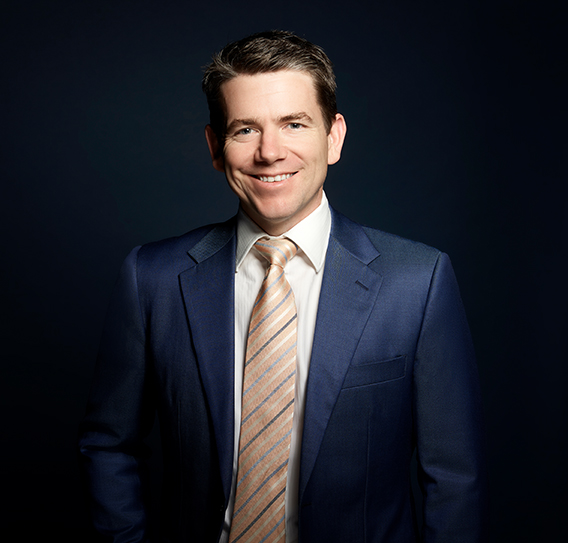
Want more information about recovering from knee surgery? Get in touch with Dr David Slattery. A knowledgeable, experienced and highly decorated orthopaedic surgeon in Melbourne, he’s here to answer any questions, queries or concerns that you have. Read more about him here.